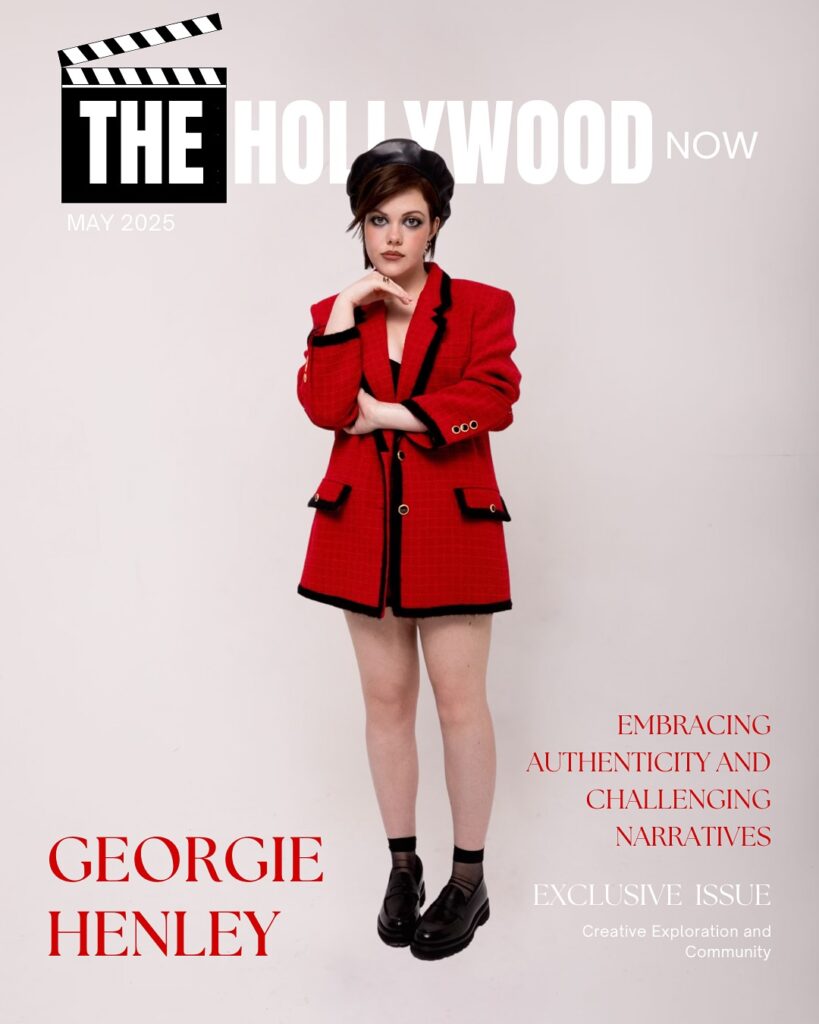
She once ruled Narnia in a crown of gold. Now, she commands the screen with a different kind of power—quiet, fierce, and entirely her own. Georgie Henley is no longer Lucy Pevensie. She’s something more. Something real.
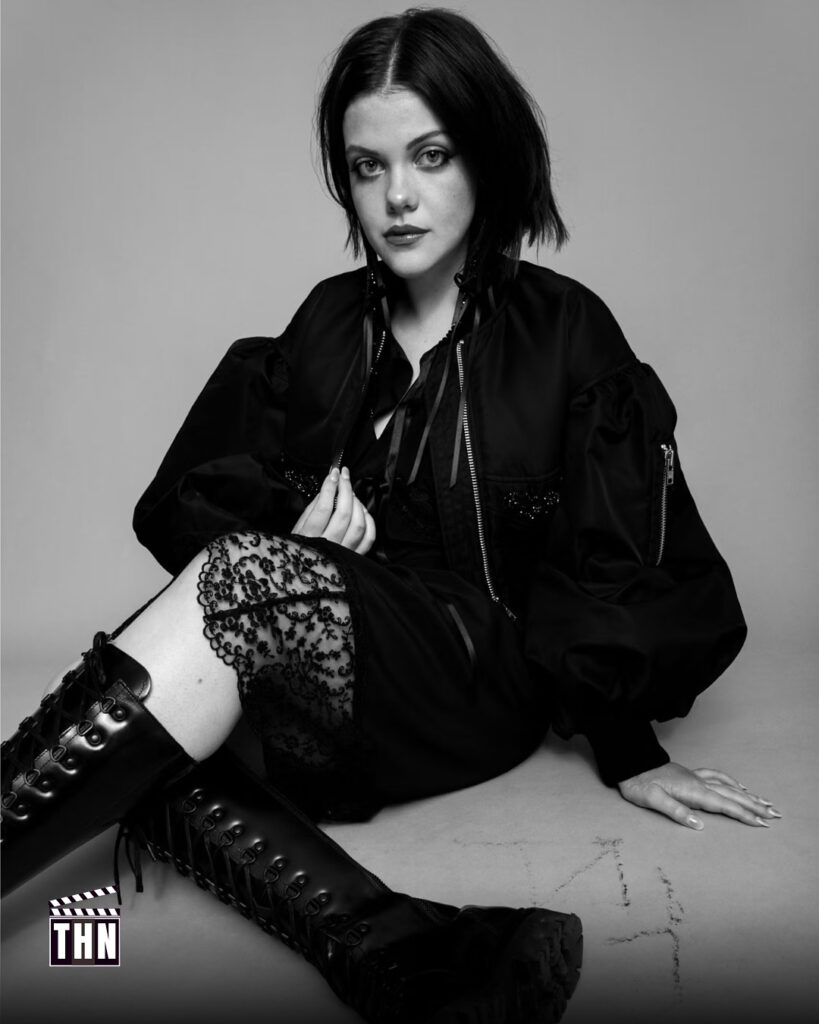
When Georgie Henley was first introduced to the world, she was just ten years old, wide-eyed and innocent, stepping through a wardrobe into a snow-covered fantasy. Lucy Pevensie, the youngest of the Pevensie siblings in The Chronicles of Narnia, was a symbol of childlike wonder and unwavering belief. But that was nearly two decades ago. And Georgie Henley—the woman, the actress, the writer, the director—is worlds away from the child who met a faun in the woods.
Today, Henley is reflective and resolute. She speaks not as someone chasing fame, but as someone chasing meaning. Her trajectory hasn’t followed the high-gloss arc of a typical child star. Instead, it’s curved and deepened, bending toward the indie world, the literary, the strange, the emotionally raw. Georgie Henley has grown up, and she’s done it on her own terms.
A Girl Who Believed in Magic
The making of Lucy, and what came after
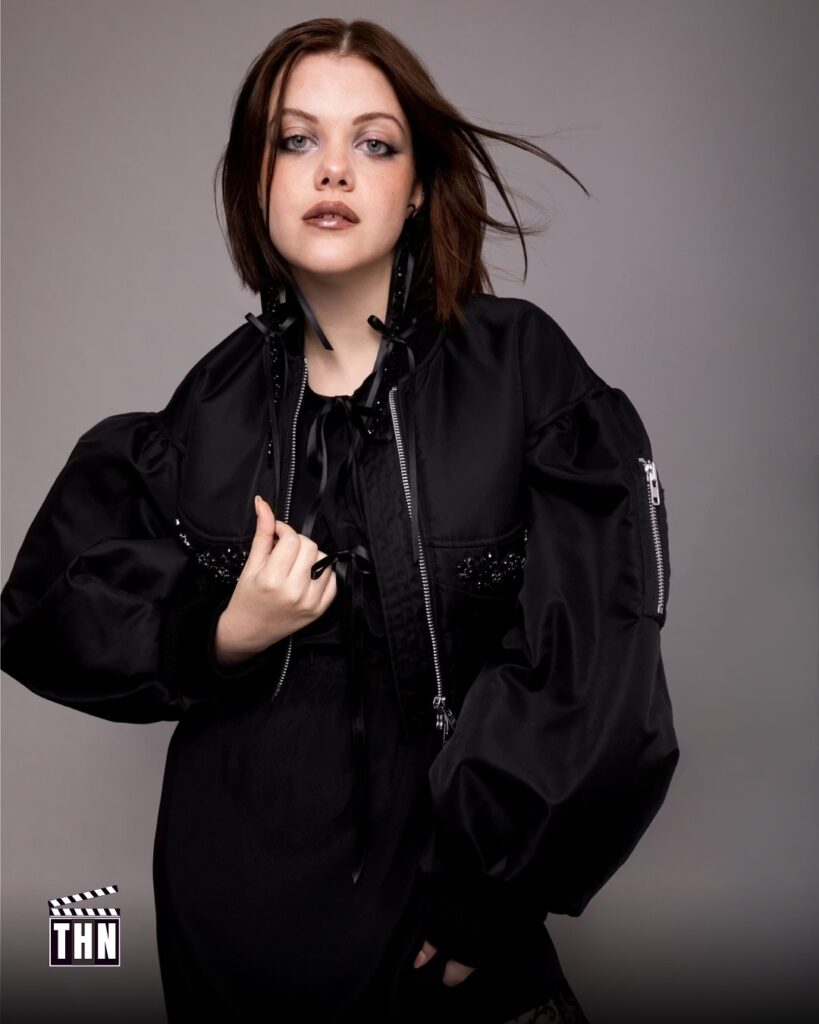
Henley was cast as Lucy Pevensie at just eight years old after a nationwide casting call in the UK. She had no prior professional experience. But when she walked into the audition room, director Andrew Adamson reportedly saw something rare—genuine, uncoached curiosity. “She just was Lucy,” he once said.
The first Narnia film, The Lion, the Witch and the Wardrobe, became a global phenomenon. For Georgie, it was a whirlwind: red carpets, interviews, press tours, and the eyes of millions watching her grow up. The fame was sudden, but it never seemed to consume her. “It was surreal,” Henley has recalled in past interviews. “But at that age, it almost felt like play.”
But behind the fantasy, she was quietly building a foundation that most young stars don’t get to lay. After the third Narnia film (The Voyage of the Dawn Treader), instead of pursuing blockbuster roles, Henley chose university—attending Clare College, Cambridge to study English Literature. There, far from the glitz of Hollywood, she rediscovered her voice.
Leaving the Wardrobe Behind
Shedding childhood roles and stepping into her own
Post-Narnia, Henley didn’t rush to remain in the spotlight. Instead, she leaned into experimentation. She appeared in offbeat indie films like Perfect Sisters (opposite Abigail Breslin) and Access All Areas, quietly proving her range. But perhaps more importantly, she began writing and directing.
“I needed to figure out who I was outside of Lucy,” Henley has said. “And the only way I could do that was by creating something entirely new.”
Her directorial debut, the short film TIDE, explored queer love and longing through surreal, evocative imagery. It wasn’t made to please producers or follow trends. It was made to say something—about identity, about self-possession, about yearning. And in that, it said everything about where Henley was heading.
Resilience in Silence
A scar, a secret, and the power of owning your story
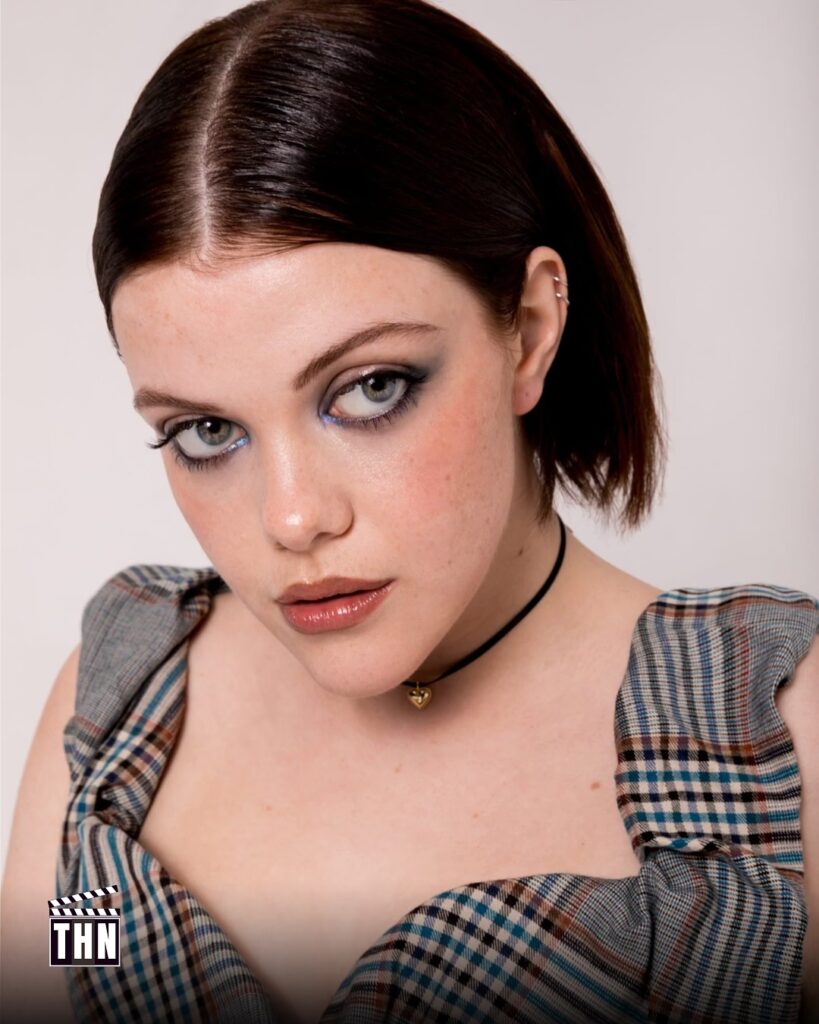
In 2022, Henley revealed something deeply personal. At age 18, just after wrapping the final Narnia film, she had nearly lost her arm due to a rare, aggressive infection. She underwent emergency surgery, resulting in significant scarring and nerve damage—an experience she kept hidden from the public for nearly a decade.
In a raw, deeply human post, she wrote, “I was afraid it would prevent me from being cast in roles that required physical perfection, which we all know is a highly unrealistic standard imposed on women in the film industry.”
Her decision to share her story wasn’t for sympathy. It was for visibility. It was for every young actor, every person, who’s ever been told to hide their imperfections. It was a defiant reclaiming of narrative—an act of radical vulnerability.
The Indie Darling You Didn’t See Coming
Why Georgie Henley is quietly redefining her career
In recent years, Henley’s film choices have tilted toward the bold, the strange, the poetic. She’s not chasing franchises. She’s chasing craft. And the roles she gravitates toward now often reflect an emotional maturity far removed from Narnian castles.
She appeared in The Spanish Princess as Meg Tudor, bringing subtlety and strength to a historical drama often dominated by grandeur. Her performance was both restrained and electric—a testament to her growth as an actress and a woman.
But Henley’s ambitions stretch far beyond acting. She’s writing screenplays. She’s developing projects. She’s talking about sustainability in storytelling—how the industry can evolve, not just in representation but in process.
“She’s one of those artists you want to watch grow because she doesn’t perform for applause,” says one indie director who’s worked with her. “She performs to discover.”
An Artist in the Making
Poetry, politics, and the purpose of it all
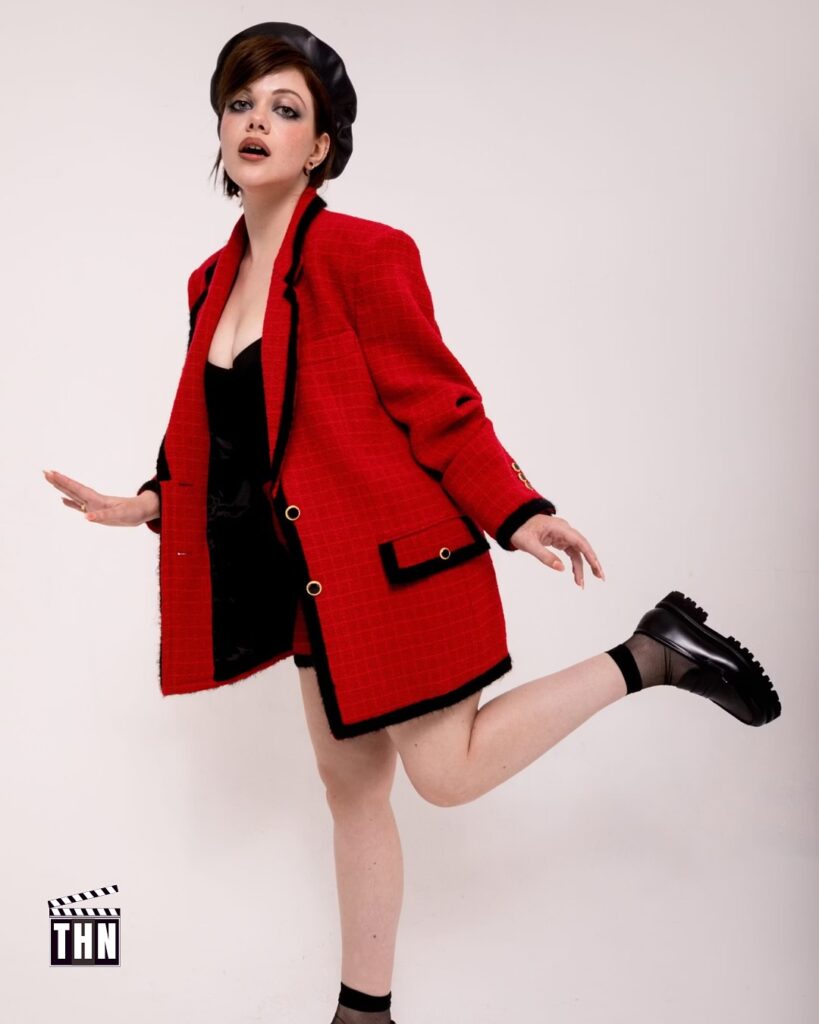
Beyond the screen, Henley is deeply engaged with the world. She writes poetry that is raw and lyrical. She’s vocal about feminism, climate change, and LGBTQ+ rights. But she’s not performative. She doesn’t tweet to trend. She speaks with quiet conviction—measured, but unflinching.
In many ways, Georgie Henley represents a new archetype of artist. Not the starlet. Not the activist. Something quieter, more powerful. She’s reflective, intellectual, and at times even reclusive. She reads more than she posts. She creates more than she competes.
And yet, people are paying attention. Not because she’s loud. But because she’s consistent. Honest. Unafraid to sit in discomfort, and equally unafraid to transform it into art.
What Comes Next?
New stories, old truths, and the future of Georgie Henley
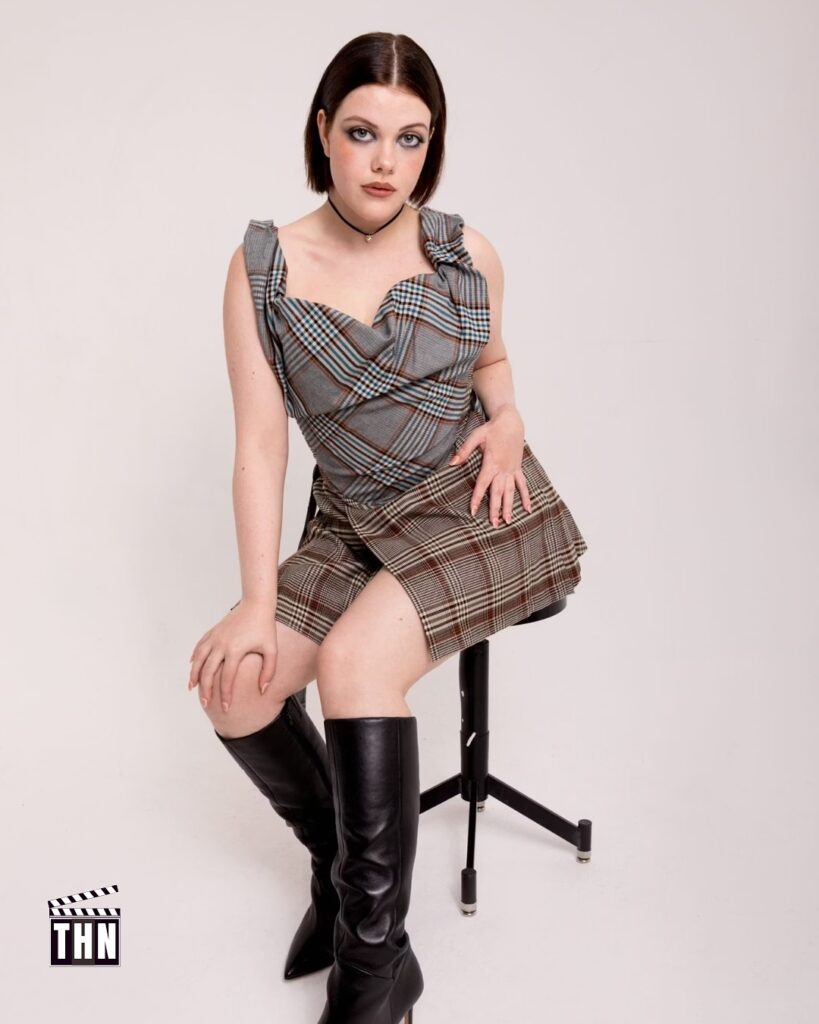
So what does the future hold for Georgie Henley?
More films, yes. More writing. More directing. But also—more truth. More work that doesn’t try to sell an image, but seeks to uncover something deeper. There’s talk of a feature-length project. There are whispers of collaborations with female filmmakers she admires. And while she hasn’t ruled out returning to the fantasy genre, it would have to be on her terms, with her voice fully present.
“I’m not interested in nostalgia,” she recently said. “I’m interested in transformation.”
In that single line, she captures the essence of her journey—from the girl who believed in magic to the woman who creates it, fiercely and quietly, behind the camera and beyond.
Crowned, Uncaged
Georgie Henley was once a queen in a fairy tale. Today, she’s a sovereign of her own story.
She doesn’t need thrones anymore. Or talking lions. Or wardrobes that lead to other worlds. She’s built a world of her own, right here—in indie scripts, in poems, in scarred skin and unshakable truth.
And that, perhaps, is the greatest magic of all.